
Technology Resources
Explore the latest web design trends and tools with our comprehensive technology blog, packed with valuable resources and information.
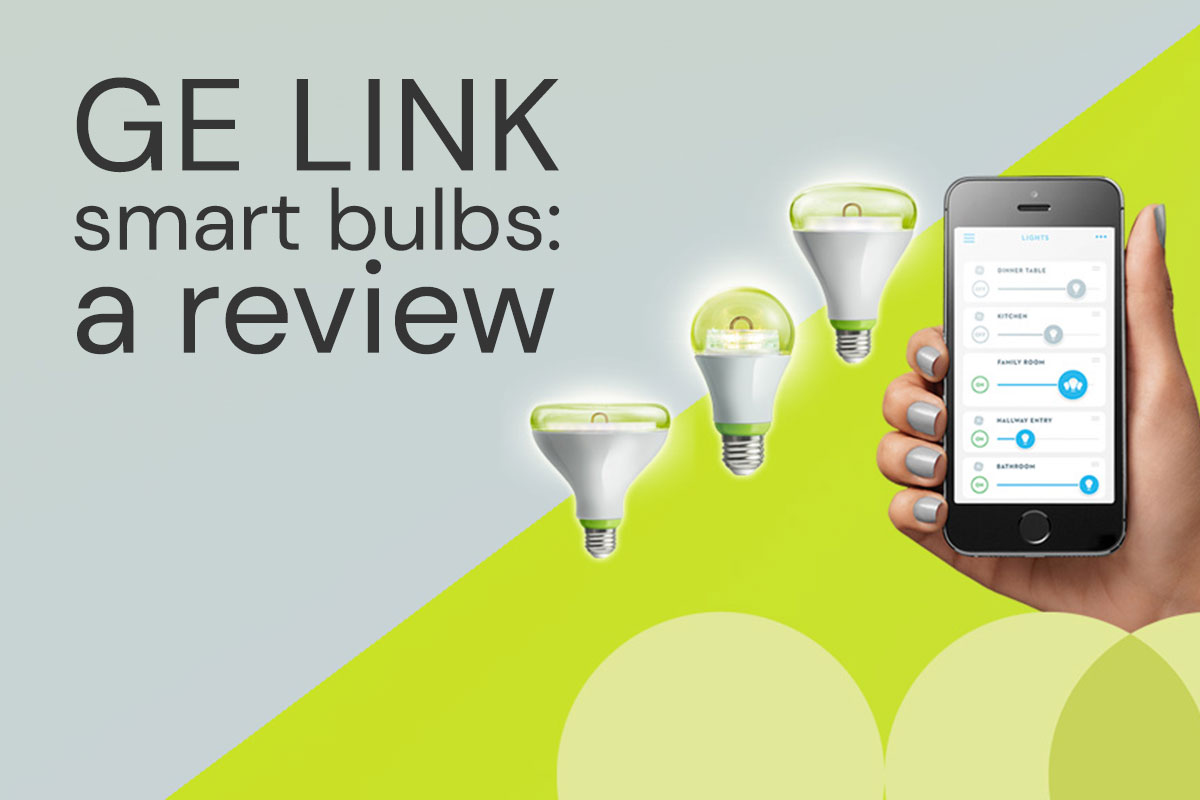
Cool Tool: GE Link Bulbs for Home Automation
As part of our series on the “Internet of Things,” we’d like to talk about a product we’ve been using with great success in concert with the Amazon Echo. LED lightbulbs are generally running in the $10 range, and often feature a rated life of up to 50,000 hours—approximately 50 times longer than a typical incandescent and 8-10 times longer than a typical CFL. Used 12 hours a day, a 50,000 bulb will last more than 11 years. So—while a $10 light bulb does sound expensive—not having to replace it for 11 years is a pretty good deal on top of the energy savings it generates. LEDs are estimated to use up to 75% less electricity than a conventional incandescent bulb, which is even more efficient than a CFL. GE’s ‘Link’ series of LED smart bulbs run about $15 per bulb, and though that certainly seems high for a light bulb, the fact that it can be integrated into your home automation system quickly and easily makes it a worthwhile purchase.
Backlinks 101
As part of a successful web marketing strategy, we always recommend that our web clients seek out backlinks, also known as IBLs—“inbound links.” The term is pretty self-explanatory: backlinks are links back to your website. If you have a look in your Google Analytics reports, you can find a section called “Referrals.” These are the websites that send visitors to your website, and they are critical to your Google ranking. The main trick is that these links should ideally be from relevant sources that are freely given. If a food magazine website publishes a link to your catering company—perfect! That’s a high quality link. If a spammy page that’s full of random content ranging from motorcycles to insurance to cosmetic surgery publishes a link to you… no thanks.
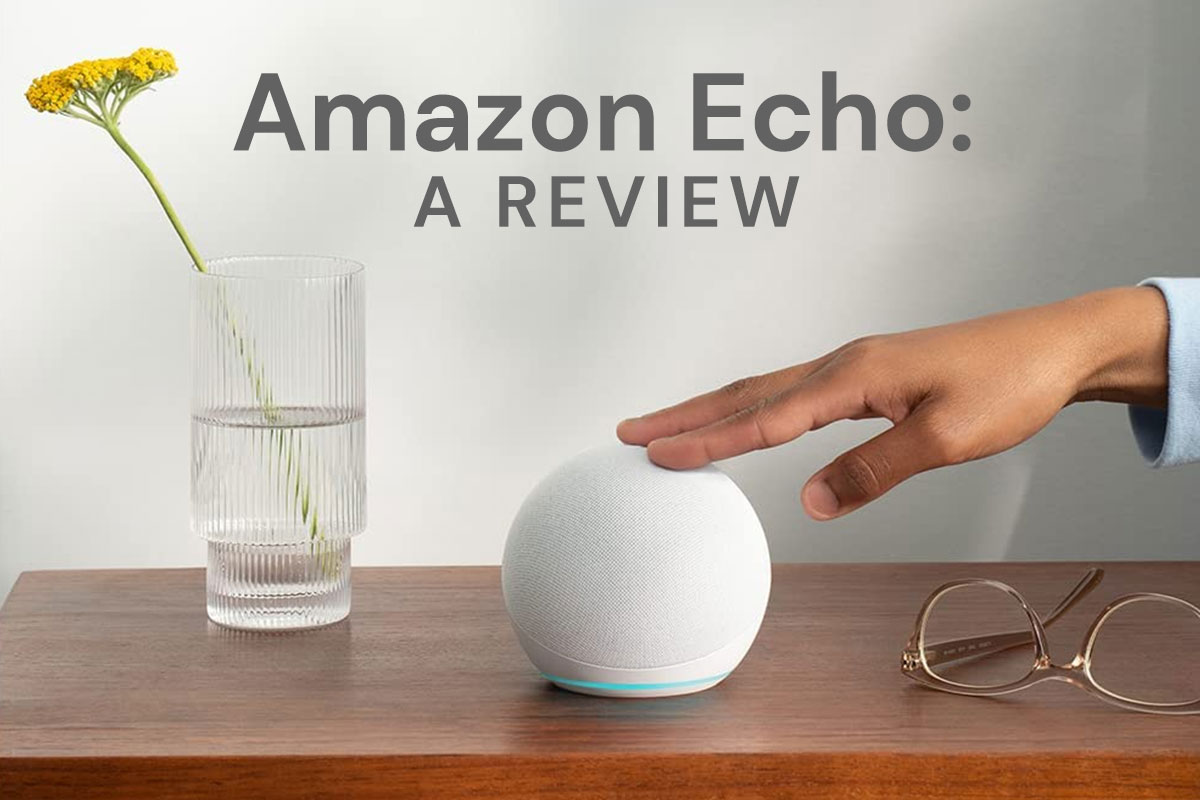
Cool Tool: Amazon Echo
In the next few months, we plan to do a series of posts on what’s being called “The Internet of Things,” or the IoT. The Internet of Things is a scenario in which the objects in our environment are embedded with electronics that allow them to be sensed and controlled remotely across the existing network infrastructure—for example, home automation. If you have a Nest thermostat, you have a toehold into the Internet of Things. And we predict the next step in establishing an IoT for yourself is the Amazon Echo, which currently retails for $179.99. At first glance, it looks like a wireless Bluetooth speaker. Big deal, right? In this case, looks are deceiving.